
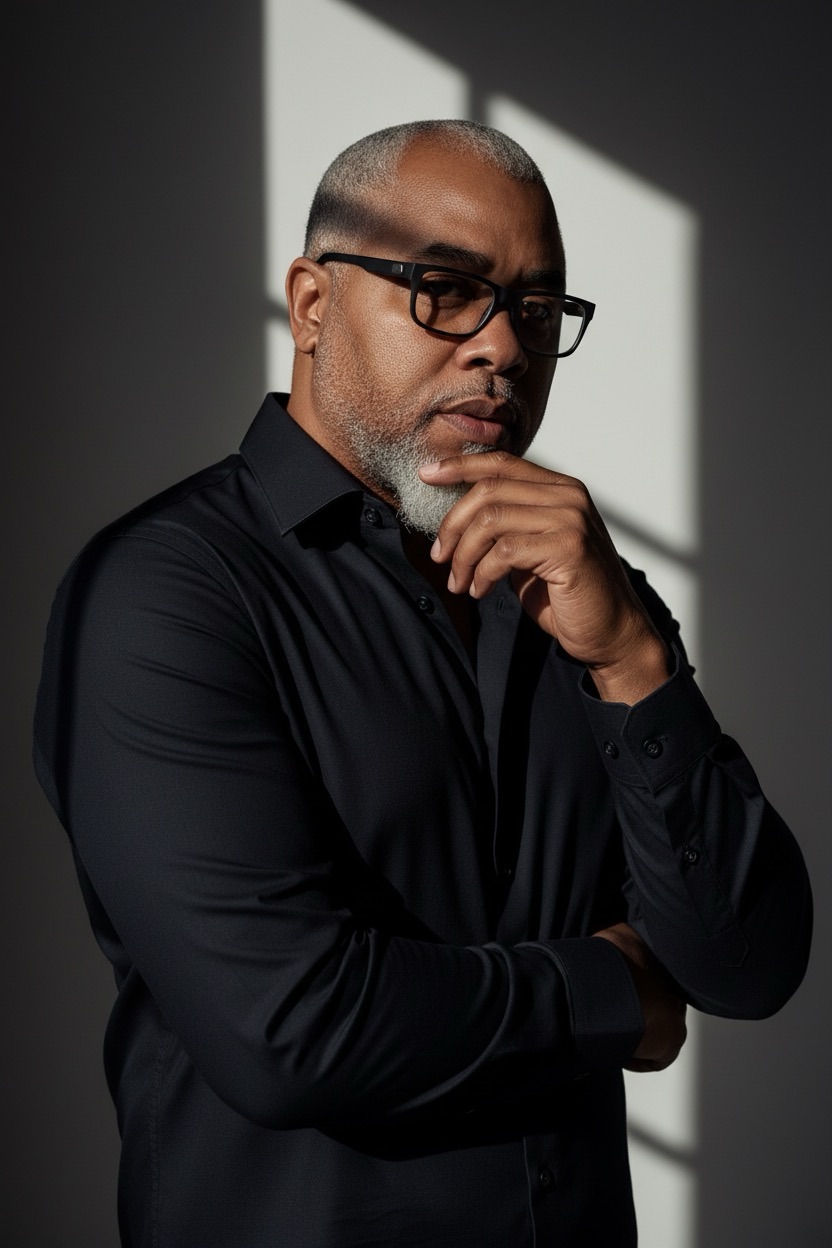
Succession by Design: Why I’m Transitioning from Executive Director to Senior Advisor — and What Most Founder-Led Nonprofits Get Wrong
By Yusef Wiley
For founders, succession planning is not just an operational decision — it’s a defining leadership moment.
After years of building, scaling, and strengthening Timelist Group, I am intentionally preparing to transition from Executive Director to Senior Advisor. This is not a departure from leadership. It is leadership.
And it is being done by design.
Why Transition at All?
Founder-led organizations often become extensions of the founder’s identity. The relationships, the strategy, the fundraising, the vision — all of it runs through one person. That model can be powerful in early growth stages. It can also quietly become a risk.
True leadership is not about being indispensable. It is about building something that thrives without you at the center.
By transitioning into a Senior Advisor role, I will:
Provide continuity and institutional memory Support and mentor the incoming Executive Director Maintain strategic relationships during leadership transition Protect organizational stability during growth
This approach ensures that Timelist Group does not experience the shock that many organizations face when a founder steps away abruptly or without structure.
Succession is not an event. It is a process.
The Founder’s Dilemma
Many nonprofit founders struggle with succession for three primary reasons:
Identity Attachment – The organization feels inseparable from the founder’s story and credibility. Fear of Instability – Concerns that donors, partners, or staff may lose confidence. Lack of Planning Infrastructure – No written transition strategy, leadership pipeline, or board readiness.
Because of this, succession often happens reactively — due to burnout, crisis, or funding disruption.
When done poorly, the consequences can be severe:
Staff turnover due to uncertainty Donor confidence decline Program disruption Board dysfunction Mission drift In extreme cases, organizational collapse
This is especially true when the founder has been the primary fundraiser, spokesperson, and strategic architect. Without a structured transition, the organization can experience what I call “leadership vacuum shock.”
Founder succession is not about stepping aside quietly. It is about building a runway.
Why Moving to Senior Advisor Matters
The Senior Advisor model provides a stabilizing bridge between legacy leadership and new executive authority.
In this structure:
The incoming Executive Director has full authority and autonomy. The founder does not operate in the chain of command. The founder serves as a strategic resource, not a shadow executive. Boundaries are clearly defined to avoid confusion or power struggles.
This distinction is critical. If founders linger informally without clarity, they unintentionally undermine the new leader. That dynamic harms morale and decision-making.
Succession done properly requires humility, governance clarity, and defined roles.
The goal is not to remain influential — it is to ensure the organization becomes stronger than it was under your sole leadership.
The Role of YW Consultants LLC in My Succession Plan
Another key component of my transition is the continued development of YW Consultants LLC.
Building my consulting firm is not separate from succession — it strengthens it.
Here’s how:
Clear Professional Identity Outside the Organization By building YW Consultants LLC as an independent entity, I create structural separation between my personal brand and Timelist Group’s leadership. This reduces confusion and reinforces the authority of the new Executive Director. Sustainable Leadership Pathway Rather than clinging to an executive seat, I am expanding my impact regionally and nationally through consulting, advising counties, state partners, and nonprofits. This allows me to evolve while the organization evolves. Strategic Partnership, Not Dependency If needed, YW Consultants LLC can contract with Timelist Group for specific strategic projects — transparently and appropriately governed — without creating blurred lines. Founder Evolution, Not Founder Exit Too often founders feel they must either stay fully in charge or leave entirely. There is a third way: strategic transition combined with expanded influence.
Succession planning should not shrink the founder’s leadership — it should mature it.
What Other Nonprofits Must Understand
Founder-led organizations that avoid succession planning often underestimate the damage that delayed transition can cause.
When founders hold leadership too tightly:
Boards fail to build governance strength. Senior staff never develop executive readiness. Organizational systems remain founder-dependent. Fundraising remains personality-driven rather than institution-driven.
The longer succession is postponed, the harder it becomes.
The healthiest organizations normalize leadership evolution. They prepare for it years in advance. They build executive capacity internally. They create documentation, delegation systems, and board clarity.
Most importantly, they recognize that succession is an act of stewardship — not surrender.
Final Thoughts
I am proud of what we have built at Timelist Group. But my responsibility is not just to protect the legacy. It is to secure the future.
Transitioning from Executive Director to Senior Advisor — while expanding YW Consultants LLC — is a strategic decision rooted in sustainability, governance maturity, and long-term impact.
Leadership is not proven by how long you stay in the seat.
It is proven by what happens after you leave it.
And true succession is not about replacing a founder.
It is about building an institution that no longer depends on one.
 YUSEF WILEY BLOCK
Leave a comment