
Every so often someone asks me a question that stops me in my tracks:
“What actually works? How do you go from being a thug to being an inspiration?”
It’s a fair question.
For decades, we’ve invested billions into prisons, probation, social programs, and public safety initiatives. Yet too many people continue to cycle through the same systems. We often debate policies, funding, and politics, but we don’t spend enough time talking about what truly transforms a human being.
I know because I lived it.
The Myth of Overnight Change
People often look at someone standing on a stage with a microphone, leading organizations, advising government agencies, writing books, or speaking around the country and assume there must have been one defining moment.
There wasn’t.
Transformation wasn’t a single decision.
It was thousands of decisions made over many years.
There were days I wanted to quit. Days when progress seemed invisible. Days when I questioned whether my past would always be louder than my future.
Real change isn’t dramatic.
It’s repetitive.
Accountability Comes First
The first step wasn’t blaming my neighborhood, my circumstances, or the justice system.
The first step was accepting responsibility.
No one can change what they refuse to own.
Accountability isn’t about carrying shame forever. It’s about accepting ownership so you can build something different.
Without accountability, rehabilitation becomes another program.
With accountability, rehabilitation becomes personal.
Education Changes Perspective
Education gave me something prison never could.
It expanded my thinking.
Whether through books, mentors, formal education, or life experience, learning teaches you to solve problems differently. It introduces possibilities you never imagined existed.
Education isn’t just about earning degrees.
It’s about developing better judgment.
Faith Provides Direction
For me, faith became the foundation.
It gave me purpose when I had none.
It taught me discipline when my life lacked structure.
It reminded me that redemption isn’t earned through perfection but through sincere effort and consistent growth.
Faith didn’t erase my mistakes.
It gave me the strength to overcome them.
Your Environment Matters
One of the hardest truths is this:
You cannot consistently build a new life while protecting the habits that created the old one.
Sometimes transformation requires changing your environment.
Sometimes it requires changing your friendships.
Sometimes it requires changing the conversations you allow into your life.
Growth often costs comfort.
Service Completes the Process
Eventually, I realized transformation isn’t complete until it benefits someone else.
Today, I lead organizations, mentor emerging leaders, advise public agencies, speak to communities, and advocate for justice reform—not because I’ve forgotten where I came from, but because I remember it every day.
The goal isn’t simply to escape your past.
The goal is to use your experience to help someone else escape theirs.
So, What Actually Works?
Not fear.
Not punishment alone.
Not motivational speeches.
Not temporary programs.
What works is a combination of:
- Personal accountability
- Faith and purpose
- Education and continuous learning
- Mentorship
- Consistent discipline
- Healthy relationships
- Opportunities to contribute and serve
- Communities willing to believe transformation is possible
None of these alone is enough.
Together, they become a blueprint for lasting change.
My Journey Is Proof
I spent more than two decades incarcerated.
Today, I have the privilege of leading a multimillion-dollar nonprofit organization, writing books, speaking nationally, and working alongside government leaders, nonprofit executives, and community partners to build better systems for people seeking a second chance.
My story isn’t remarkable because I changed.
It’s remarkable because change is possible for far more people than we often believe.
Every person has a past.
Not everyone chooses to let it become their future.
As I often say:
Your past may explain where you’ve been, but it never has to determine where you’re going.
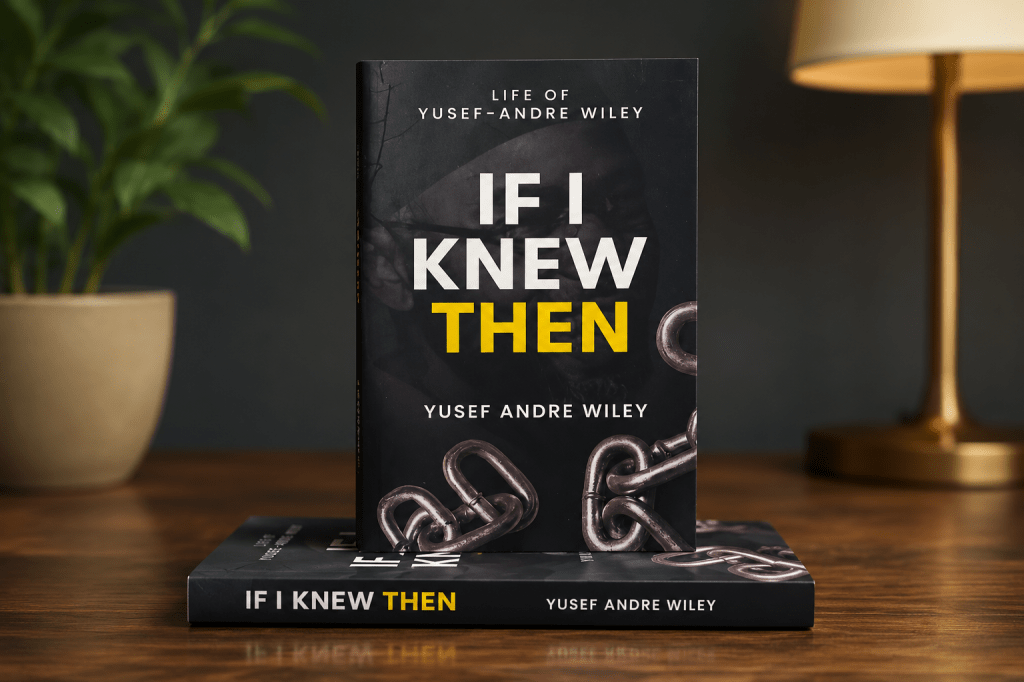
That’s the message behind my book, If I Knew Then. It’s more than my personal story. It’s an invitation to believe that transformation is real—and that with the right mindset, support, and commitment, even the most unlikely stories can become stories of hope.
The question isn’t whether people can change.
The real question is whether we’re willing to create environments where change can truly happen.


Leave a comment